Anyone can put paint on a wall. A room feels finished because of everything around it: filler you can’t find afterwards, a clean line where colour meets ceiling, skirting without a drip.
That’s where the time goes. Surfaces are prepared before any colour goes on, edges are cut in by hand, and the room is left tidy when the job’s done.
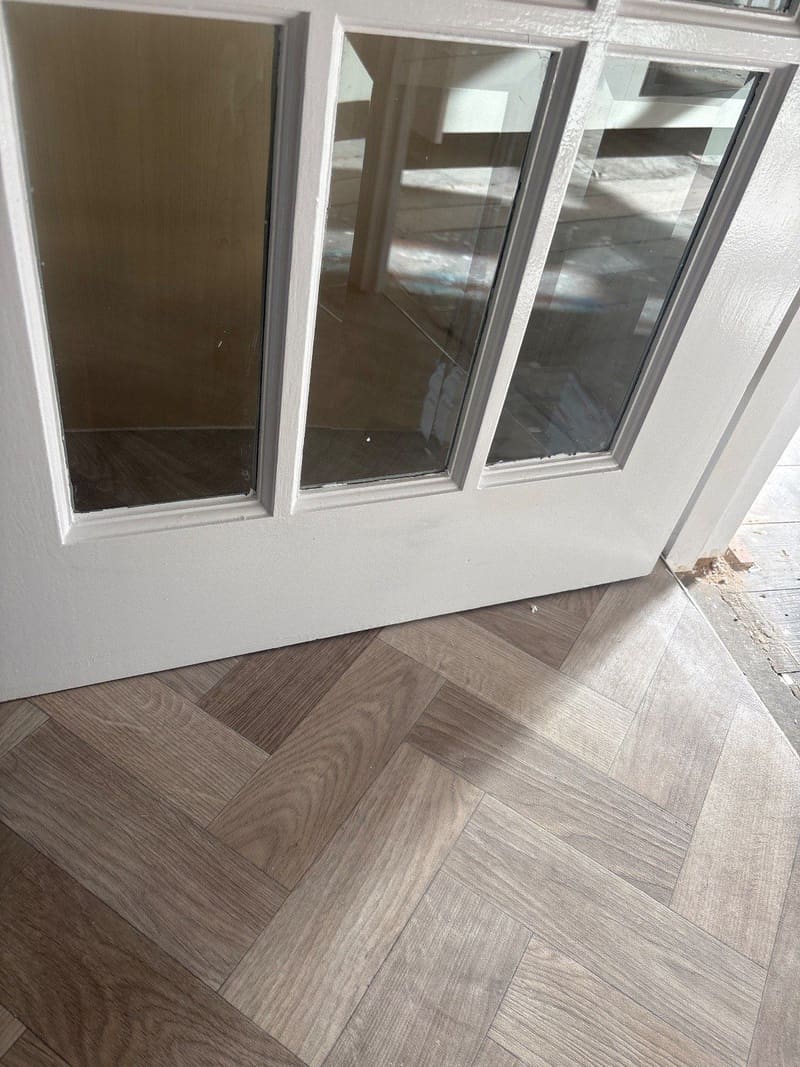
Prepared properly
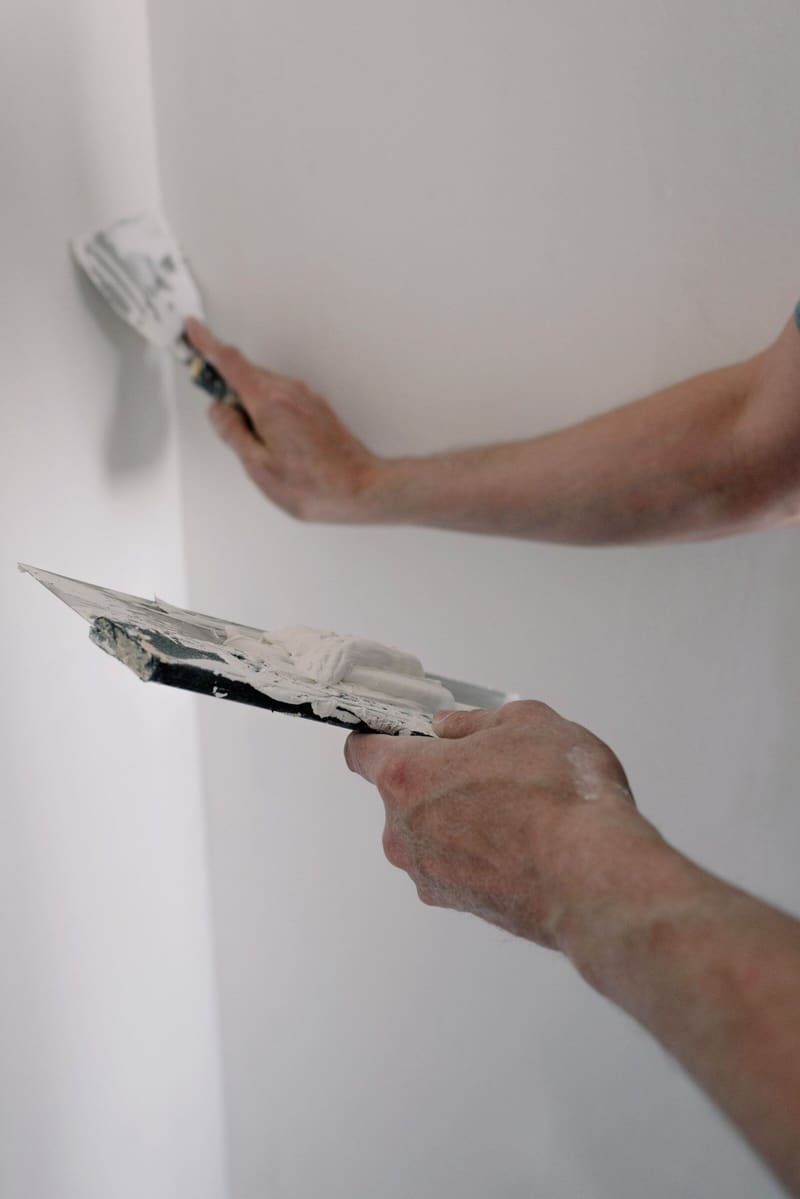
Filled, sanded and primed before the first coat.
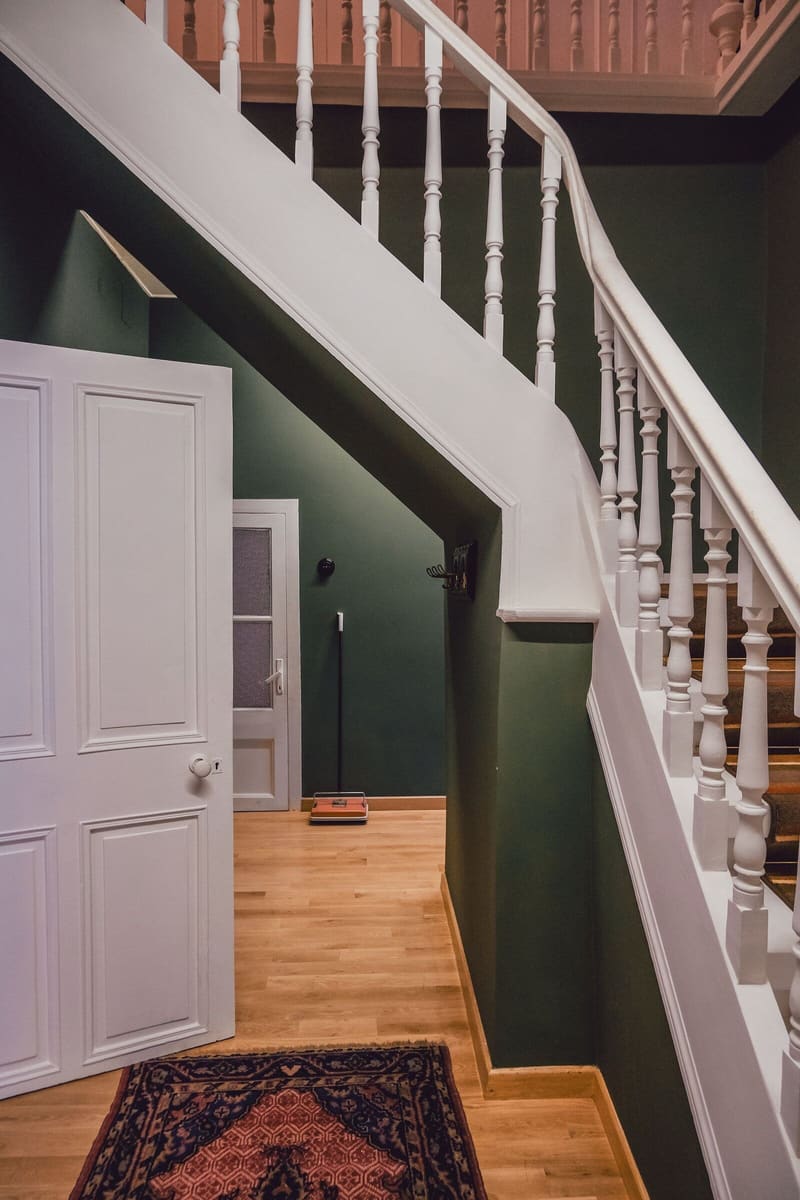
Cut in by hand
Straight lines where walls meet ceilings, skirting and frames.
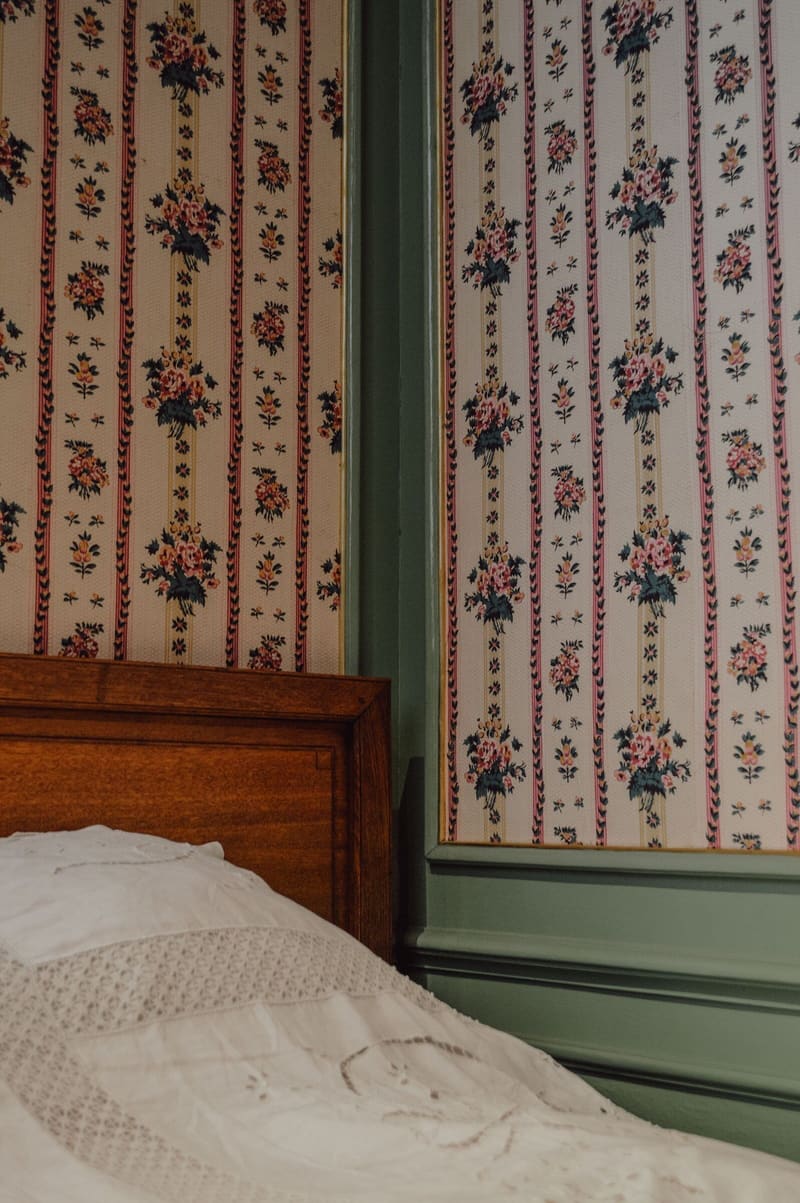
Left tidy
Floors and furniture protected, start to finish.
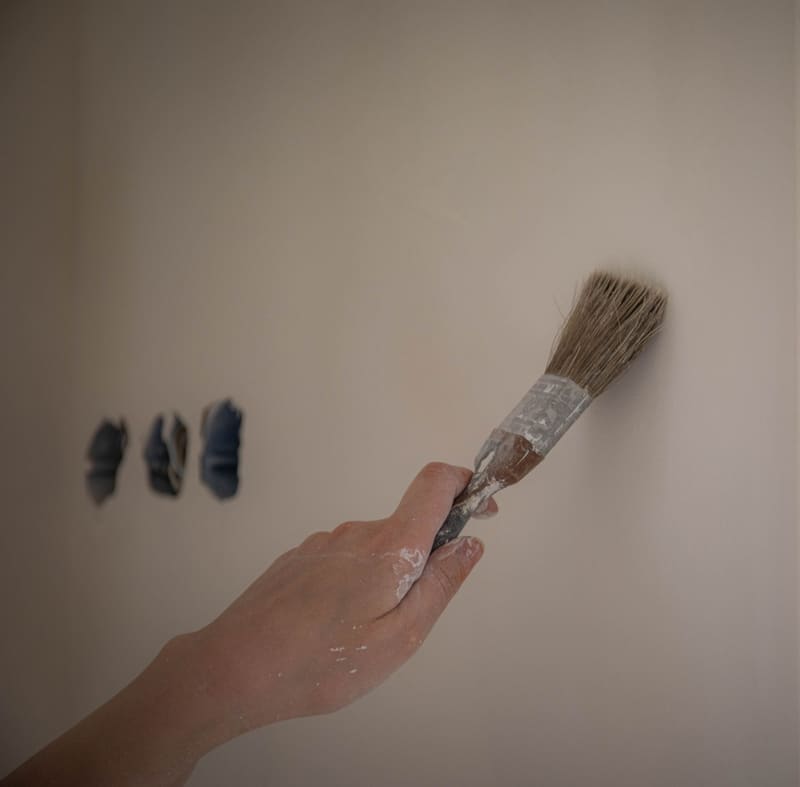
Illustrative
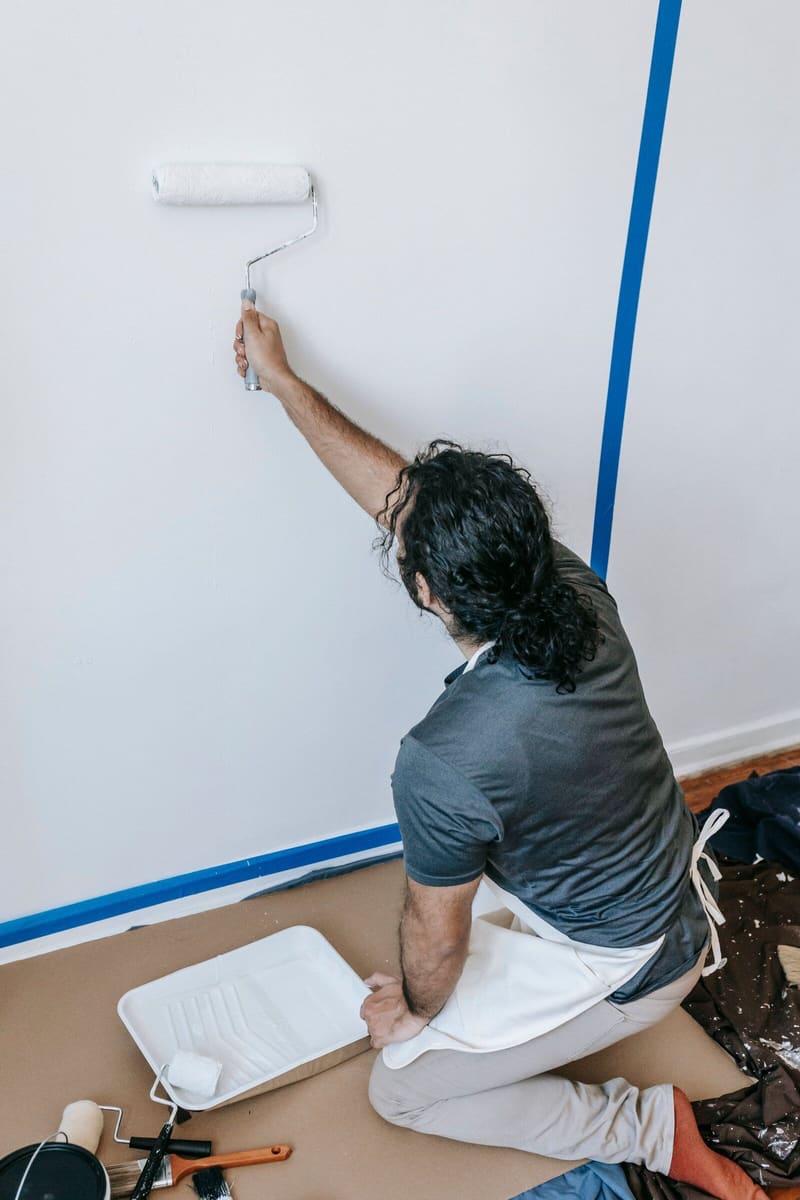
Illustrative
Go on. Paint the wall.
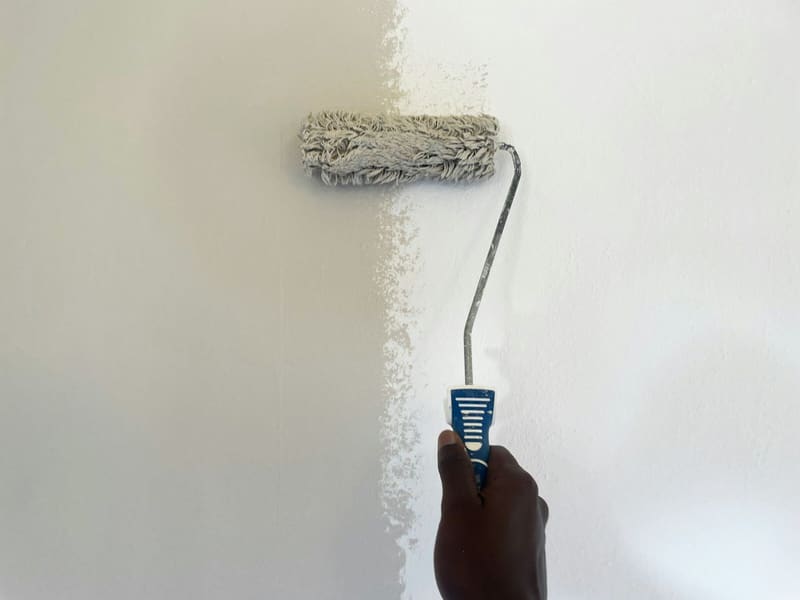
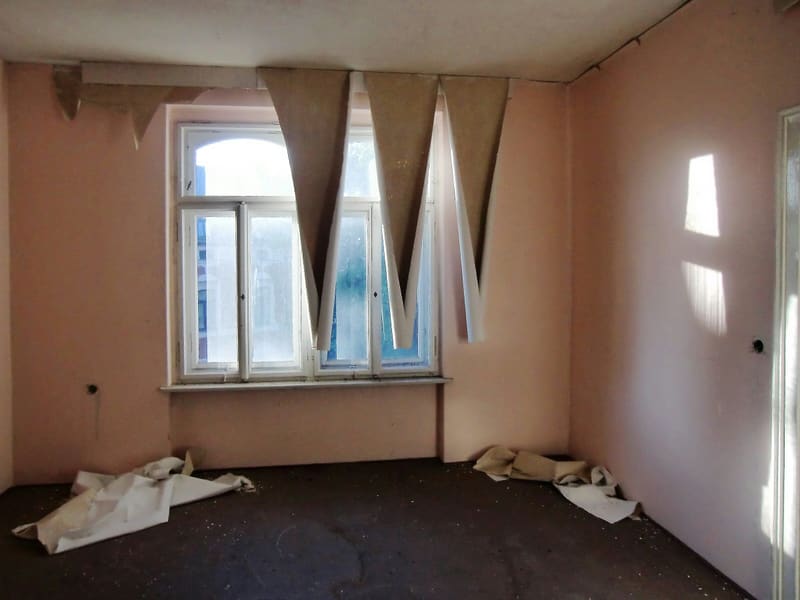
Bare plaster, waiting for its first coat. Pick a shade, or bring your own, then roll it on. Change colour halfway if you can’t decide.
Demonstration. One stock photograph, with the bare plaster and the colours made in software. Screens can’t show paint exactly, so always try a sample pot on your own wall. Blade Decor’s own before-and-after photos will go here.
What needs doing?
Five services, one standard of finish. Pull a chip for what’s involved and how it’s prepared.
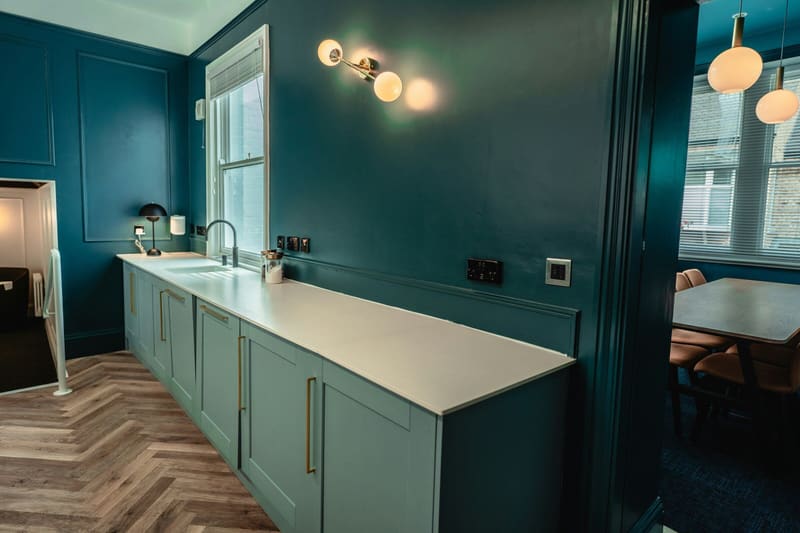
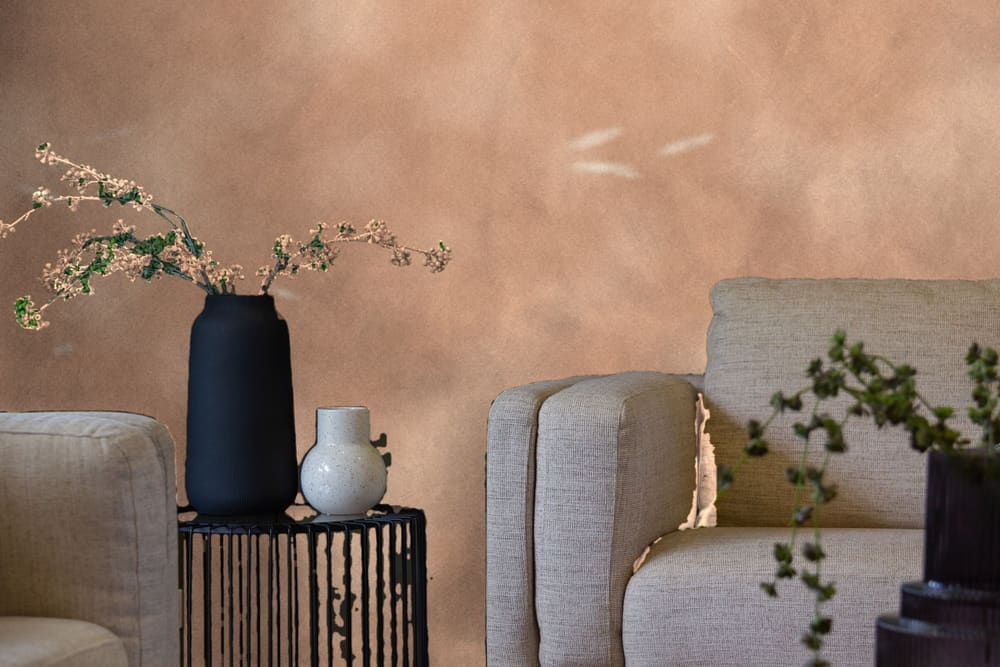
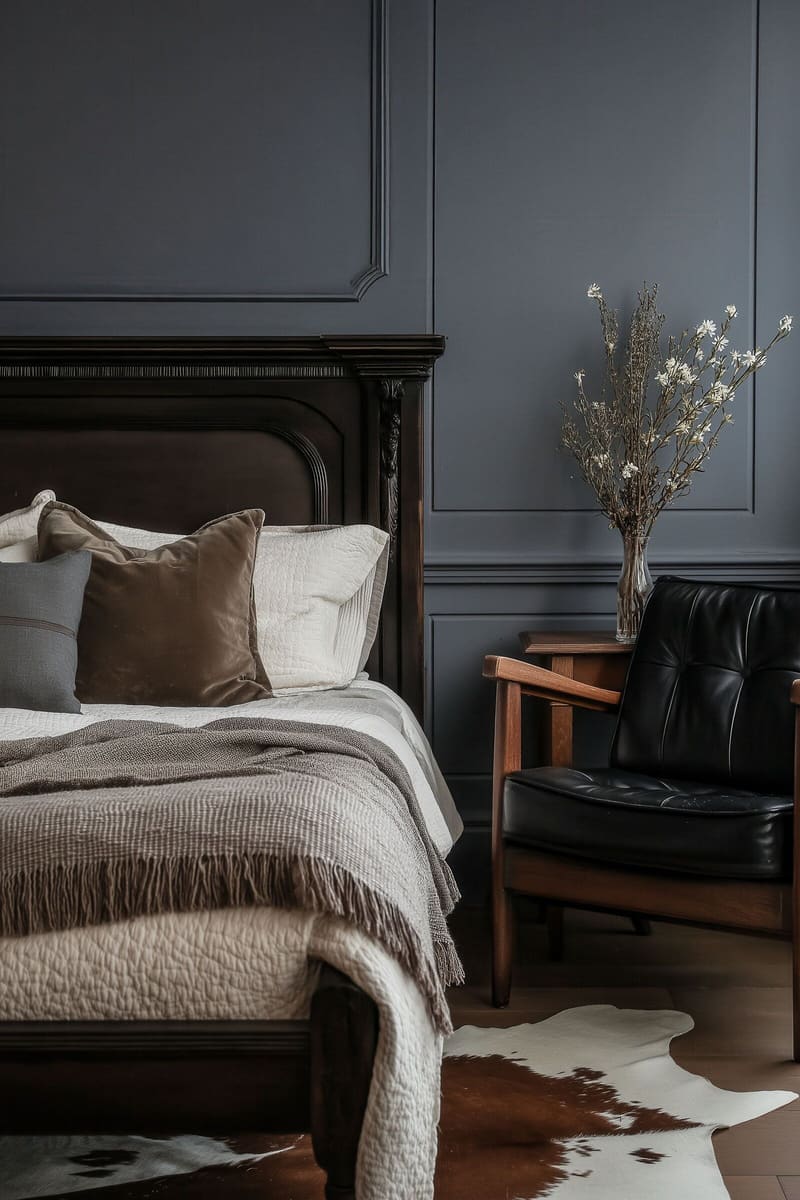
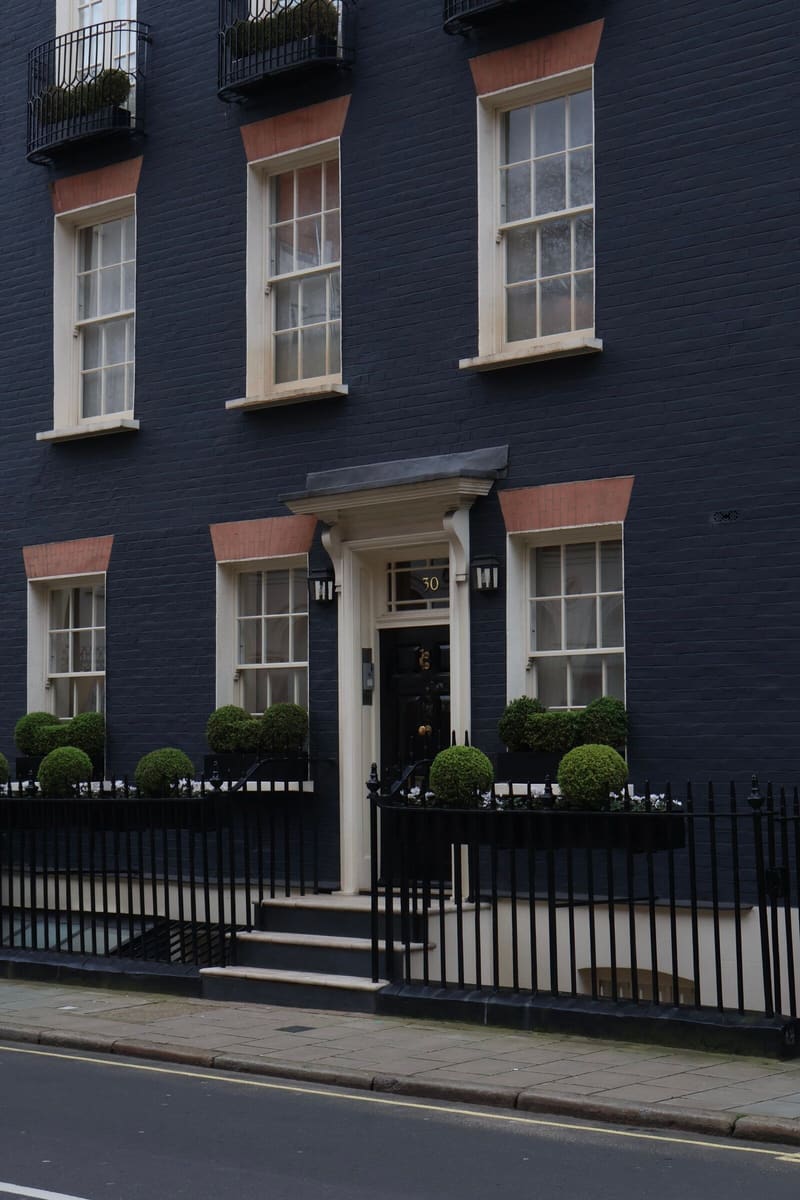
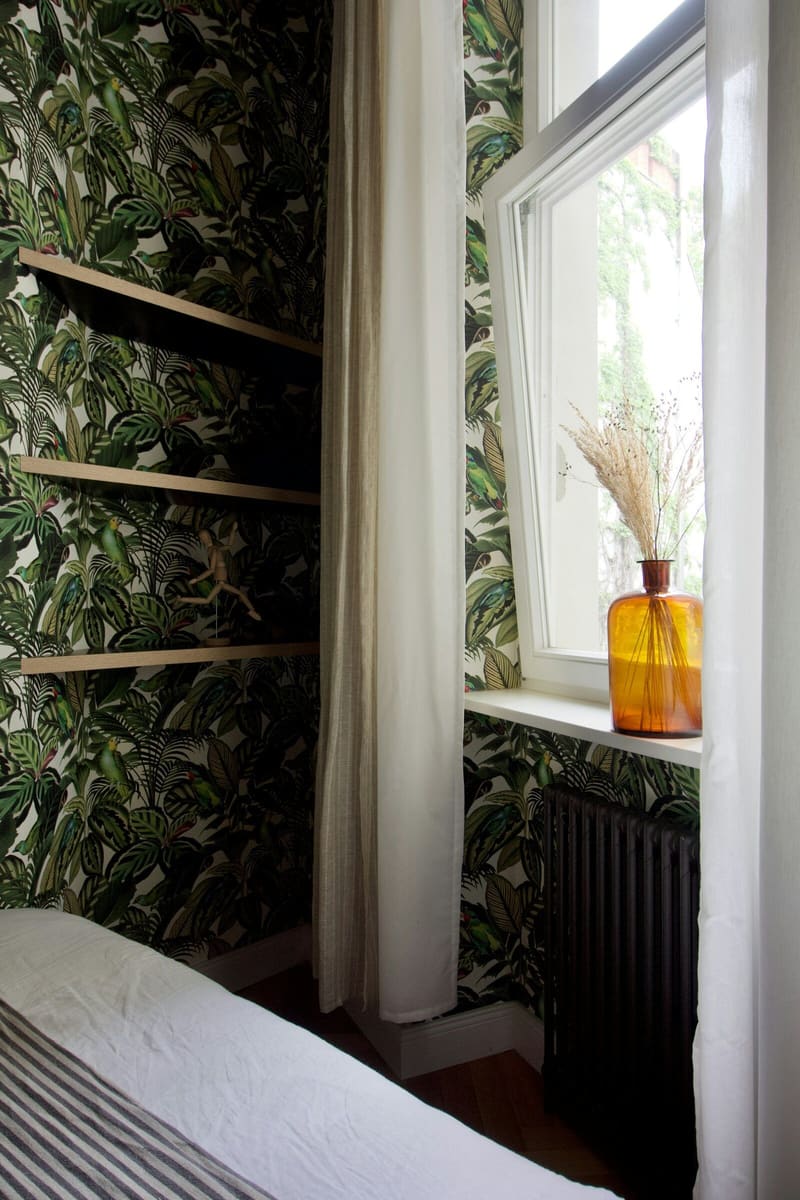
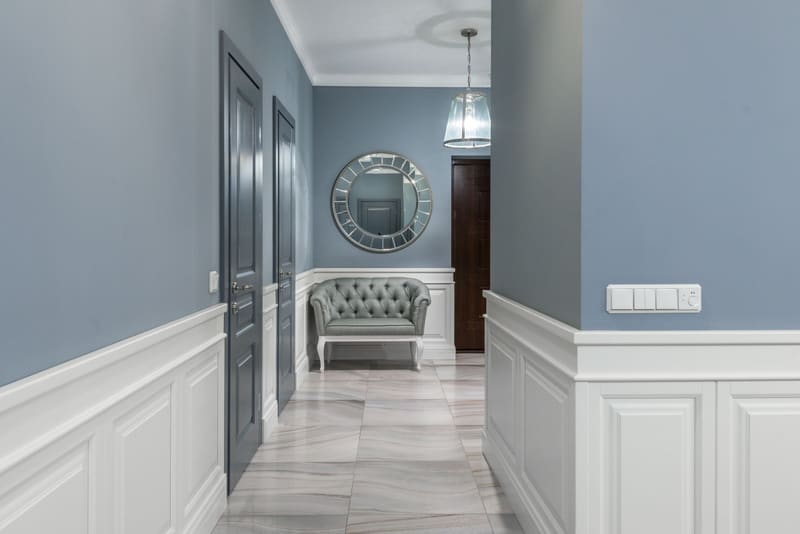
Blade Decor’s own job photos are going up as jobs are finished. Until then, one of them, and a few illustrative photos of the work on offer, each one labelled.
It depends on the size of the room, the condition of the walls, how much preparation is needed, the number of coats, whether woodwork and ceilings are included and whether paint is supplied. That’s why the job is looked at before it’s priced. For a rough national picture, see “What affects the price” below.
How long does it take to paint a room?
As a guide, a small room takes one to two days and a larger room two to three, depending on preparation and how many coats are needed. Drying time between coats sets the pace. You’ll get a time estimate with your quote.
What do I need to do before you arrive?
Clear small items, ornaments and anything valuable, and take pictures off the walls if you can. Larger furniture can be grouped in the middle of the room and covered. There’s a full checklist in “Getting ready” below.
Matt, eggshell, satin or gloss: what should I use where?
Matt is the usual choice for walls and ceilings because it hides small imperfections. Eggshell has a soft sheen and is tougher, so it suits kitchens, hallways and woodwork. Satin is the most common modern finish for doors and skirting. Gloss is the shiniest and hardest-wearing, but it shows every bump underneath.
How will my furniture and floors be protected?
Floors are covered with dust sheets, furniture is moved or grouped and covered, and edges are masked where needed. The room is tidied at the end of each day and cleared properly when the job’s finished.
I’ve just had a room plastered. When can it be painted?
New plaster needs to dry fully first, which can take up to four weeks: it goes from dark to an even pale pink. Then it gets a “mist coat”, a thinned first coat that soaks in and seals the surface, before the full coats go on. Painting too soon, or with the wrong paint, leads to peeling.
The person who quotes is the person who paints.
Blade Decor is a one-person business based in Stoke-on-Trent. There is no sales team between you and the work: the decorator who looks at the job is the one who does it, and the one who walks round it with you at the end.